
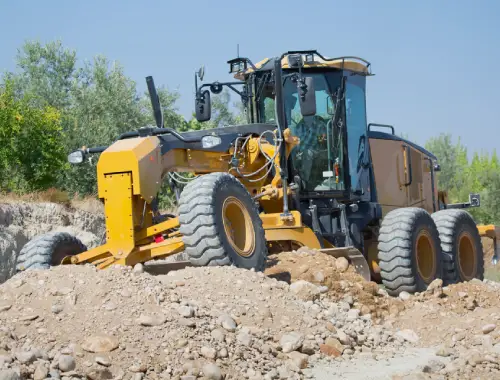
Site Readiness Checklist Sydney
Site Readiness Checklist Sydney
For farms, industrial sites, subdivisions and road-related projects across Dean Park, Blacktown, Penrith, Liverpool, Campbelltown, Parramatta, Richmond, Windsor and Menangle, a strong start usually comes down to preparation, not guesswork. That matters even more in Western Sydney, where major growth areas and infrastructure delivery continue to increase the need for organised, site-ready works, while nearby rural districts such as Hawkesbury remain closely tied to productive agricultural land.
Why site readiness matters
On larger projects, delays rarely come from one big issue. They usually come from a string of smaller problems that could have been sorted before work began.
A soft patch near the entry point. Heavy grass left in place. No clear start area. Uncertainty around hours. No one confirming whether GPS is required. No final design available. Each of these slows progress, affects accuracy or creates avoidable downtime.
A proper site readiness checklist helps project owners and site managers get ahead of those problems. It also makes the first phone call more productive, because the right details are already on hand.
1. Confirm the project is the right fit
Before booking any grading or levelling work, make sure the site and job type suit the machine and the scope.
Larger farm projects, industrial pads, subdivision works, access roads and road construction support are a much better fit than small residential jobs. That sounds obvious, but it saves everyone time. When the site size, access and expected finish are clear from the beginning, you are far more likely to get realistic advice on whether the job is suitable.
A good first step is to define:
- the type of site
- the kind of outcome you need
- the approximate area to be worked
- whether the work is rough shaping, levelling or final trim
- whether the project is farm-based, industrial or civil
That level of clarity helps avoid the common mistake of enquiring too early without enough site information.
2. Check ground conditions before locking in the date
Ground condition is one of the biggest factors in whether a large site starts well.
If the surface is too wet, muddy or unstable, machinery access becomes harder, the finish can suffer and the risk of delays goes up. SafeWork NSW specifically notes that after wet weather, the risk of vehicles and farm equipment becoming bogged increases, and recommends checking whether the ground has completely dried out following heavy rain.
For that reason, it makes sense to inspect the site before confirming a start date and again closer to the day if weather changes. On farm sites especially, being realistic about wet ground can prevent wasted transport, lost time and safety issues.
A practical check includes:
- whether the machine can enter and move around the site safely
- whether the working area is firm enough
- whether water is sitting in low points
- whether recent rain has softened the surface too much
Starting on the wrong day can cost more than waiting for the right one.
3. Make access simple from the start
Even a well-planned job can lose momentum if the machine cannot enter, turn or work efficiently once it arrives.
Before the start date, think through the access route from the main road to the work area. Remove unnecessary obstacles, identify any narrow points and make sure there is room to move safely. This is especially important on larger farms, industrial blocks and civil sites where multiple trades, deliveries or vehicles may already be operating.
Access planning should also cover:
- gate width and clear entry points
- site contact on arrival
- any slope, soft shoulders or temporary crossings
- the safest path to the main work zone
- where other workers, vehicles or equipment will be operating
On NSW construction sites, moving plant is treated as a serious safety issue. SafeWork NSW states that moving plant is a major cause of serious injuries and fatalities on construction sites, and its code of practice applies where moving plant is used on construction sites.
4. Clear heavy grass and surface obstacles
One of the simplest site-readiness steps is also one of the most overlooked.
If a farm or large block has heavy grass cover, clear it before grading starts. Thick vegetation can make it harder to work the surface effectively, reduce visibility of the ground condition and slow the job down. The goal is not to overcomplicate the site, but to give the operator a clean, workable surface wherever practical.
Also remove or identify:
- loose materials
- hidden debris
- temporary fencing in the work path
- stacked items or pallets
- areas that should be excluded from work
A cleaner site usually means a smoother start and a more accurate result.
5. Prepare the brief before you enquire
A strong enquiry leads to a better phone conversation and faster booking decisions.
Before you contact a provider, have the key job details ready:
- your name and best contact number
- your email
- site suburb and access notes
- type of work required
- preferred start date
- estimated number of hours
- whether GPS is needed
- any extra notes about the site or finish required
This matters because larger projects are rarely booked on one vague sentence. The more clearly you describe the site and scope, the easier it is to discuss availability, suitability and next steps.
It also helps to understand the commercial basics early. For example, some projects may have a minimum hire requirement, transport charges may apply, and booking confirmation may depend on a phone discussion rather than an automatic online confirmation. Getting those basics clear upfront keeps expectations realistic.
6. If GPS is required, have the design ready
GPS-supported work can improve accuracy, but only when the project information is ready before the start.
If your job requires GPS, make sure the customer-supplied design is complete and available in advance. That includes any relevant digital files, set-out information, levels and details needed to guide the work properly. Waiting until the machine is on site to sort out design information is one of the fastest ways to lose productive time.
A simple rule is this: if precision matters, preparation matters more.
7. Align safety, communication and site contacts
A site can be physically ready and still run poorly if communication is loose.
Before work begins, confirm:
- who the main contact is on the day
- how the operator will be directed
- which areas are in scope
- where people should and should not be during operation
- whether the site has induction or entry requirements
This is especially important on construction and industrial sites, where multiple parties may be involved. SafeWork NSW describes construction as one of the state’s highest-risk industries and lists moving plant among the common causes of serious injury or death on site. Clear communication is not just good project management. It is part of safe project management.
8. Plan for weather and timing changes
Large-site work depends on conditions, and good planning leaves room for that reality.
When booking, ask what happens if weather interrupts the day, whether cancellation notice is required and how timing changes are handled. That does not just protect the provider. It protects your own schedule as well, because it forces a more realistic conversation about readiness, transport and site conditions before the start date.
A well-prepared site is not the one that rushes to lock in a date first. It is the one that is actually ready when the date arrives.
Start with the right conversation
If you are organising a farm, civil or industrial project and want fewer delays from day one, start with a clear site readiness checklist and a proper phone discussion.
Winning Edge Enterprises Pty Ltd works with larger sites across Sydney and surrounding areas, with a focus on reliable grading and levelling support, straightforward communication and practical job assessment. To discuss your site, availability and the right setup for your project, get in touch and request a booking enquiry.